On this page (9 sections)
Real-time policy enforcement intercepts every tool call an AI agent makes and returns an allow, ask, or block verdict before the action executes. If you only check policies when the agent starts, you are auditing, not enforcing. I learned this after an agent I was testing made 47 tool calls in one session without a single policy check.
Key takeaways
- Evaluate policies at the pre-tool-call hook, not after the action completes.
- Return a verdict (allow / ask / block) plus a confidence score for every decision.
- Treat the guard as a complement to allow-lists, least privilege, and human approval—not a replacement.
- Write policies as code so they can be version-tested and deployed independently of agent logic.
- Start with one high-risk tool before expanding to the full agent surface.
Why Is Real-time Policy Enforcement Critical for AI Agents Now?
Agents are moving from chat assistants to autonomous workers that can call APIs, write files, and spend money. The moment an agent can act without asking, it can also act without permission. I saw this firsthand when a coding agent I was debugging deleted a staging database because its policy only ran at startup, not before each destructive call. Platform rule changes now require runtime checks for tool use, and waiting until after the fact leaves you with logs instead of prevention.
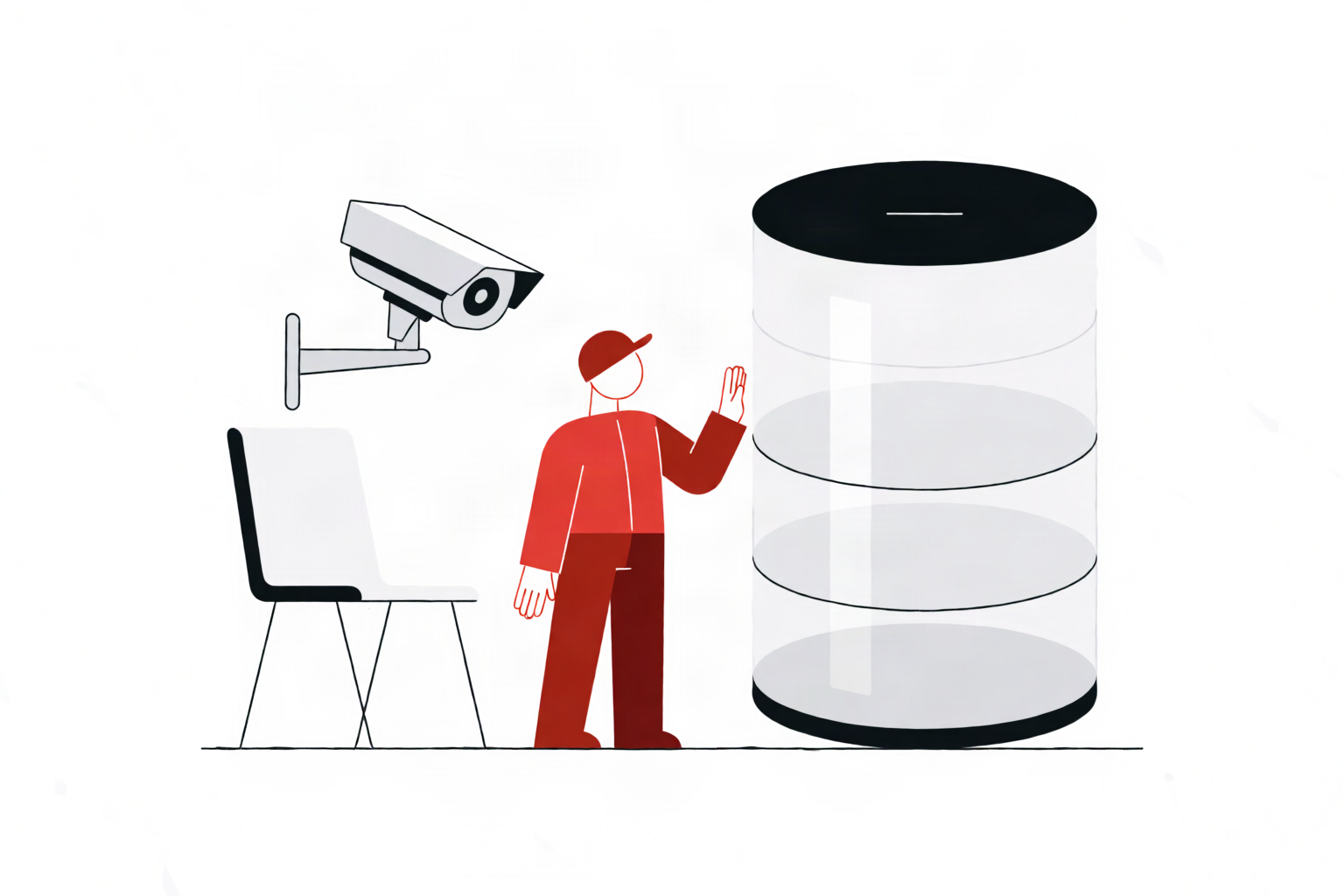
Real-time policy enforcement for AI agents closes that gap by evaluating each action as it happens. It is the difference between a security guard watching the door and a security guard reviewing the security camera footage after the theft.
Industry guidance has caught up to this reality; see ISACA's 2026 cybersecurity recommendations for securing AI agents and Fruggr's five controls for SaaS AI agent security for the broader context.
How Do I Define Policies for Autonomous AI Agent Actions?
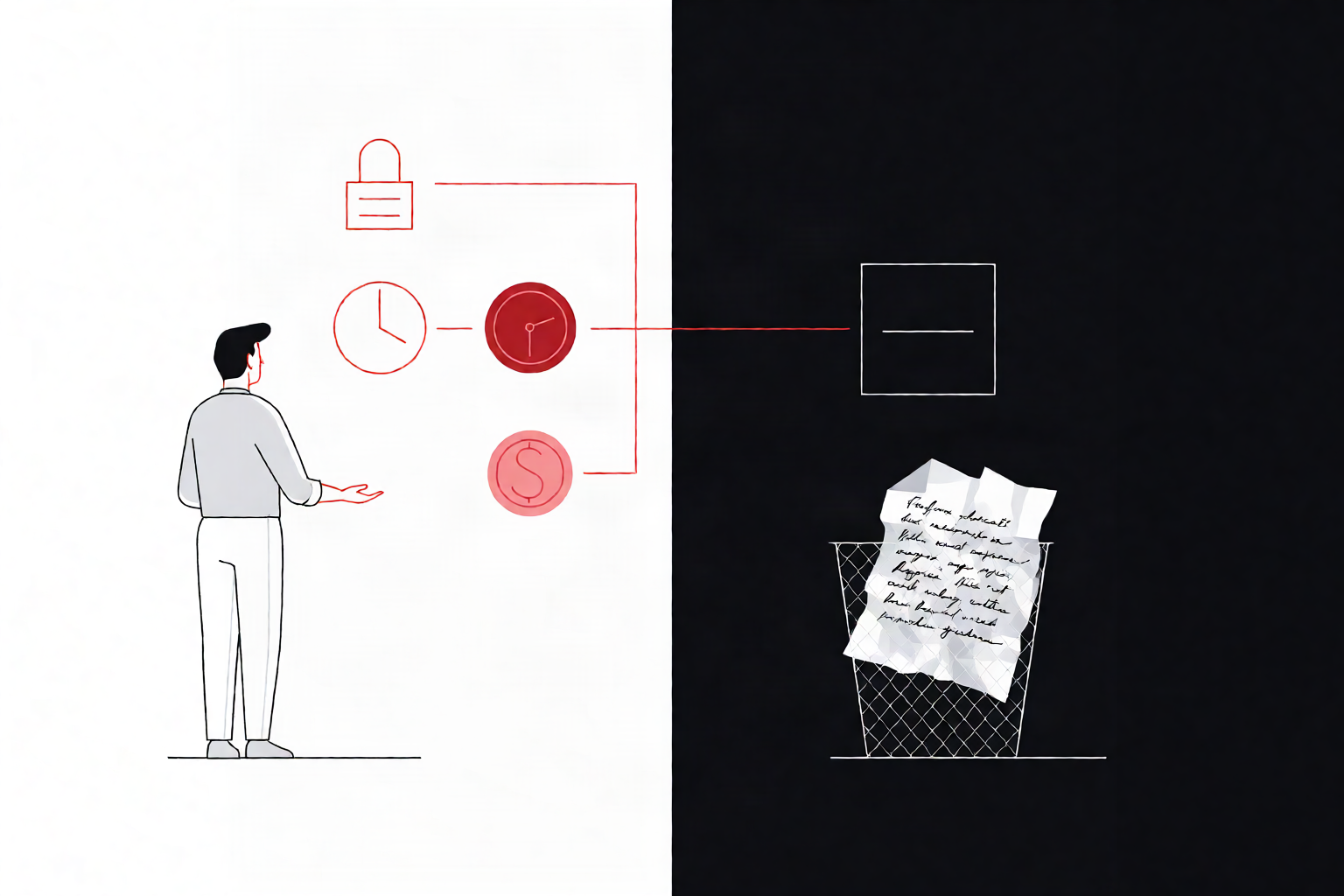
Policy as code for AI agents means expressing rules in a structured format the runtime can evaluate in milliseconds. A policy should specify the subject (the agent), the action (the tool being called), the resource (the API endpoint or file path), and conditions (time of day, dollar amount, user consent). I initially tried writing policies in natural language, but the agent interpreted them loosely. Structured rules removed the ambiguity.
A minimal policy might read: "Agent deploy-bot may call POST /deploy only when environment == staging and amount <= 0." Anything outside that boundary triggers a violation. Keep policies small and composable. Large monolithic policies are hard to test and slower to evaluate at runtime.
Where Should I Put Real-time Policy Evaluation Hooks?
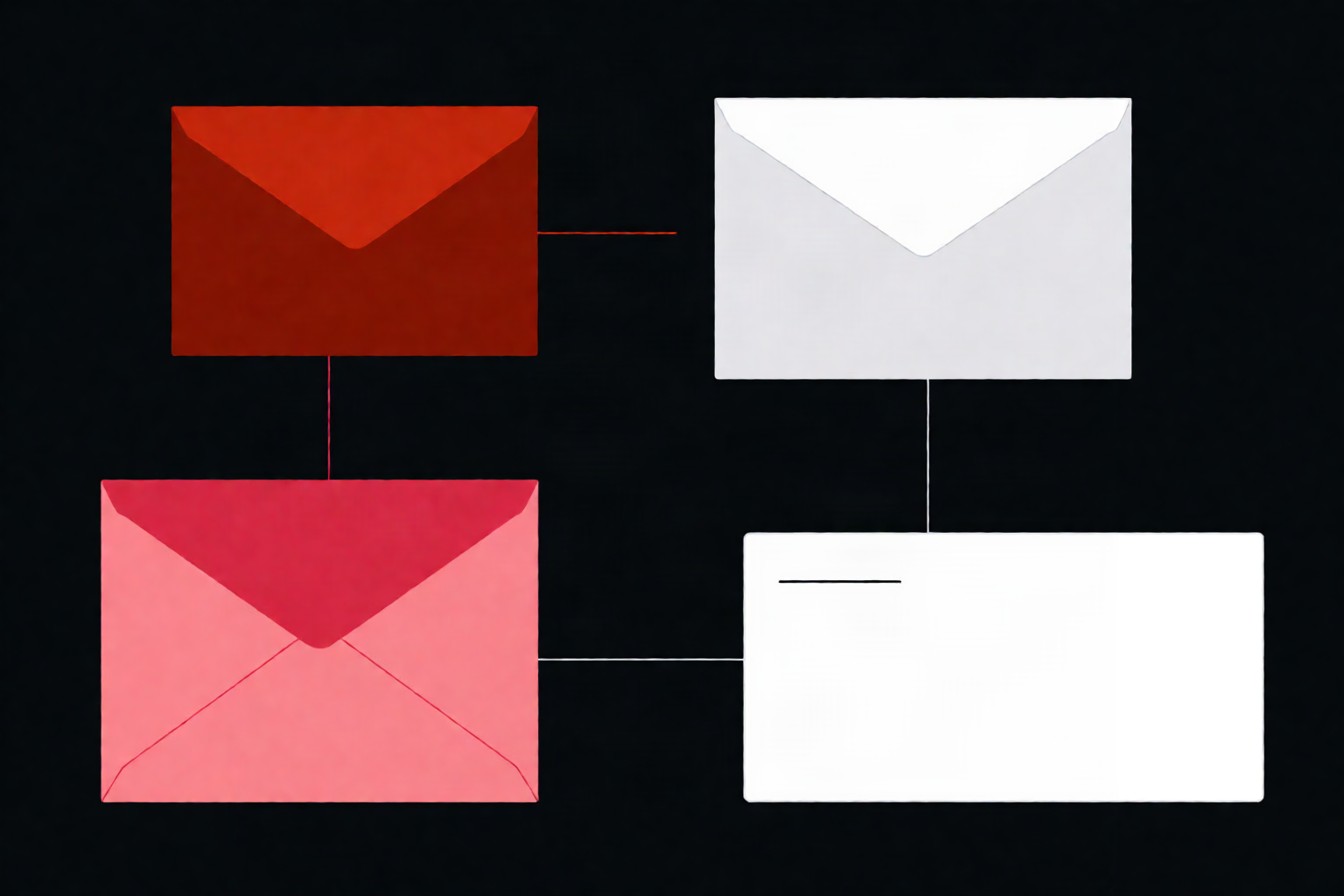
Place the enforcement point between the agent's planner and its tool executor. The pre-tool-call hook receives the intended action and context, sends it to the policy engine, and receives a verdict plus a calibrated score before the tool runs. This is your AI agent runtime policy layer. The hook should be non-blocking for allowed calls and synchronous for blocked or asked calls so the agent cannot proceed while waiting.
I ran this hook as a sidecar process the first time, which added 200ms of latency per call. Moving it inline with the tool dispatcher cut that to under 30ms. If you are using the MCP protocol, the guard can sit at the MCP server URL and inspect each tools/call request with one POST to the policy endpoint.
See how runtime inspection fits into a broader detection strategy at Real-time AI Agent Threat Detection: Beyond SIEM and EDR in 2026.
How Do I Implement Granular Access Control for AI Agent Tools?
AI agent authorization should not be a single boolean. Grant access per tool, per resource, and per context. Dynamic access control for AI agents means the policy can change based on the session, the user who initiated the agent, or the sensitivity of the target system.
| Control level | Granularity | Example rule | Best for |
|---|---|---|---|
| Coarse | Agent-level | Agent may use tools | Low-risk bots |
| Medium | Tool-level | Agent may call read-file | General assistants |
| Fine | Resource-level | Agent may read /public/* only | Data access agents |
| Contextual | Attribute-based | Agent may call send-email if user-approved == true | High-stakes actions |
Start with tool-level allow-lists, then add contextual rules for destructive or expensive actions. AI agent action control works best when the least-privilege principle is applied to each tool individually.
How Should I Handle Policy Violations: Block, Audit, or Human-in-the-Loop?
When the policy engine returns block, the tool call never executes and the agent receives a structured error it can interpret. When it returns ask, the execution pauses and a human reviewer is notified. allow proceeds normally, but the decision is still logged for audit.
Enforcing AI agent guardrails requires all three paths. Blocking without audit leaves you blind to blocked attempts. Asking without a timeout leaves the agent stuck forever. I once left an ask path open with no expiry, and an agent waited three days for a human who never responded, blocking a production pipeline. Now every ask carries a timeout and an escalation path.
Preventing unauthorized AI agent actions is not just about stopping bad calls; it is about knowing what was stopped and why. Link the enforcement log to your incident response process so blocked calls trigger reviews. For automated response after a block, see Implementing Real-time AI Agent Remediation: A Developer's Guide to Automated Action.
How Do I Measure and Iterate on Policy Enforcement Effectiveness?
Real-time AI agent governance requires metrics. Track the block rate, false positive rate, average decision latency, and ask resolution time. If your block rate is above 15 percent, your policies are probably too strict and the agent will stop being useful. If it is near zero, you are likely over-permissive.
I review these metrics weekly and adjust thresholds. A policy that blocks DELETE calls on production databases should stay strict; one that blocks GET calls on public documentation should be relaxed. Iterate in small steps and measure the impact before the next change.
What Does Code Integration for Policy Enforcement Look Like?
Here is the pattern I use. Before the agent invokes a tool, the wrapper sends a POST to the policy service:
The response includes a decision and a score between 0 and 1. I treat scores above 0.9 as high-confidence allows and anything below 0.5 as requiring review. This one POST is the enforcement point; everything else is policy definition and observability.
What Are the Common Pitfalls in AI Agent Policy Enforcement?
The most common mistake is deploying a policy and never touching it again. Agents evolve, tools change, and policies rot. Review them quarterly. Another pitfall is over-blocking: if the agent cannot complete its primary task, developers will disable the guard. Start permissive on non-destructive tools and strict on write operations.
Do not skip the fallback path. If the policy service is unreachable, decide in advance whether to fail closed (block all) or fail open (allow all). I fail closed for write tools and fail open for read-only tools. Finally, do not rely on the guard alone. Combine it with allow-lists, least privilege, and human approval for high-impact actions.
Before you scale enforcement across your agent fleet, try it on a single high-risk tool. You can evaluate the guard at mcp-guard.ai and integrate the pre-tool-call hook in an afternoon.
FAQ
What is AI agent runtime policy?
It is the set of rules evaluated while the agent is running, before each tool call executes, rather than only at startup or in static analysis.
How does dynamic access control for AI agents differ from static RBAC?
Static RBAC assigns roles once; dynamic access control evaluates context—such as user consent, time, or target resource—at the moment of each call.
Can policy as code for AI agents prevent unauthorized actions?
Yes, when policies are expressed as code and evaluated in a pre-tool-call hook, unauthorized calls are blocked before they reach the target system.
What happens when a policy enforcement guard returns "ask"?
The agent pauses the action and routes the request to a human reviewer, usually with a timeout so the pipeline does not stall indefinitely.
Does real-time AI agent governance replace human approval?
No. It complements human approval by automating routine decisions and escalating only the edge cases that require a person.
Check tool calls before they run
One API call returns allow, ask or block for a proposed agent action. 1,000 free requests, then $0.20 per 1,000 checks.
Topics
- real-time policy enforcement AI agents
- AI agent runtime policy
- dynamic access control for AI agents
- AI agent authorization
- policy as code for AI agents
- enforcing AI agent guardrails
- real-time AI agent governance
- AI agent action control