On this page (10 sections)
In June 2026, the Cloud Security Alliance published a research note calling legacy infrastructure an AI agent security blind spot, and The Hacker News reported that legacy systems can subvert AI agent behavior.
You secure AI agent to legacy system integrations by treating the legacy system as an untrusted trust boundary. Authenticate the agent, authorize every call, sanitize data in both directions, and enforce policy before the legacy system ever sees the request. A runtime guard is a complement to allow-lists and human approval, not a replacement for them.
Key takeaways
- Legacy systems were built for human users and batch jobs, not autonomous agents, and often lack modern authentication, input validation, and audit trails.
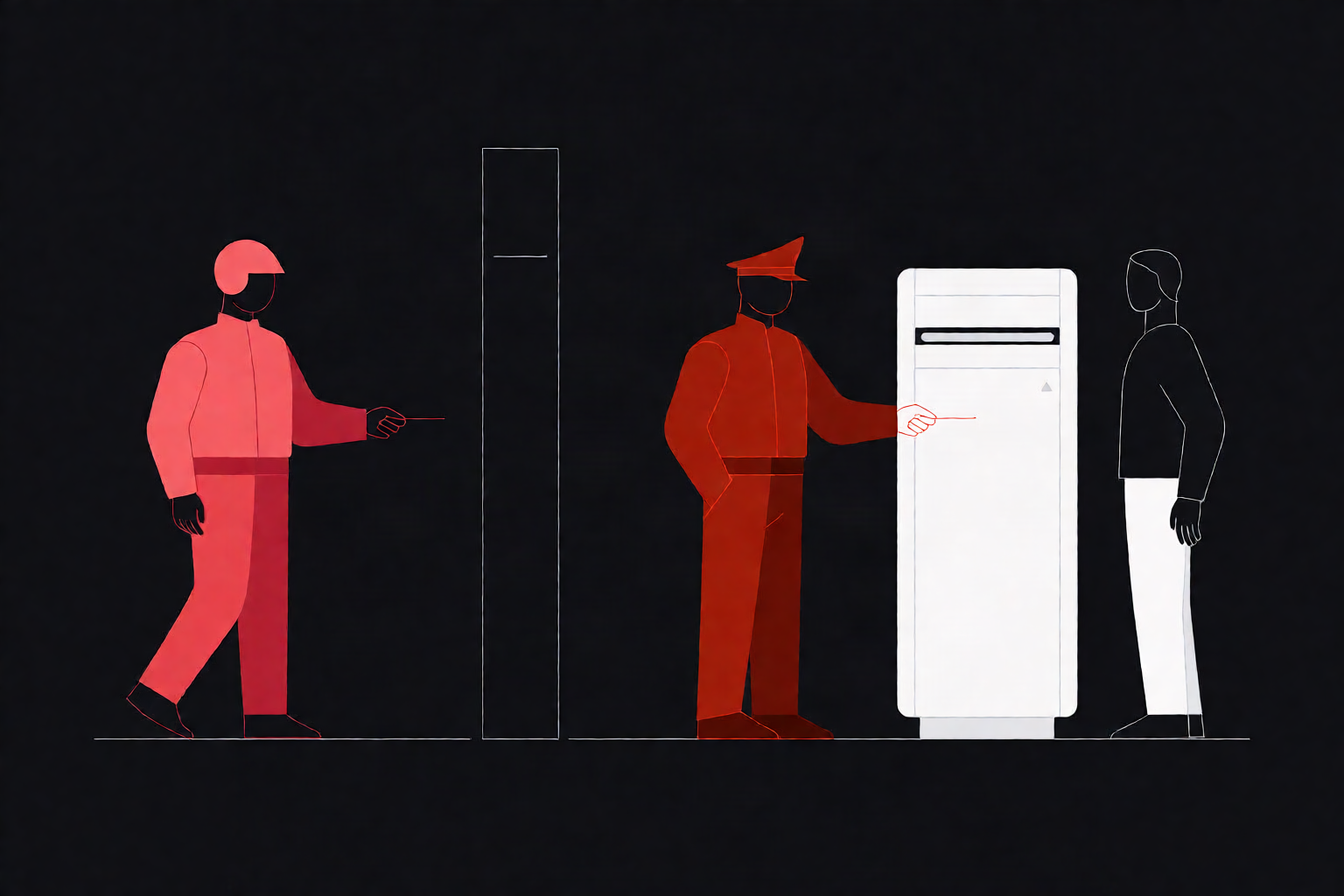
- The trust boundary sits between the agent and the legacy API, not inside the model.
- Enforce policy at the pre-tool-call hook so invalid requests never reach the legacy system.
- Monitor both inbound and outbound flows; exfiltration and corruption can look like normal traffic.
Why do legacy systems create trust gaps for AI agents?
Legacy systems were built for human users and batch jobs, not autonomous agents issuing hundreds of calls per minute. They often lack OAuth, short-lived tokens, and audit logs. Brittle error handling means a malformed agent request can corrupt state or leak data silently. The Cloud Security Alliance called this a blind spot in its June 2026 research note on legacy infrastructure and AI agents. When you connect an agent to a system that assumes a human is at the keyboard, you inherit every assumption that system was never built to defend against.
How do you map the attack surface between an AI agent and a legacy API?
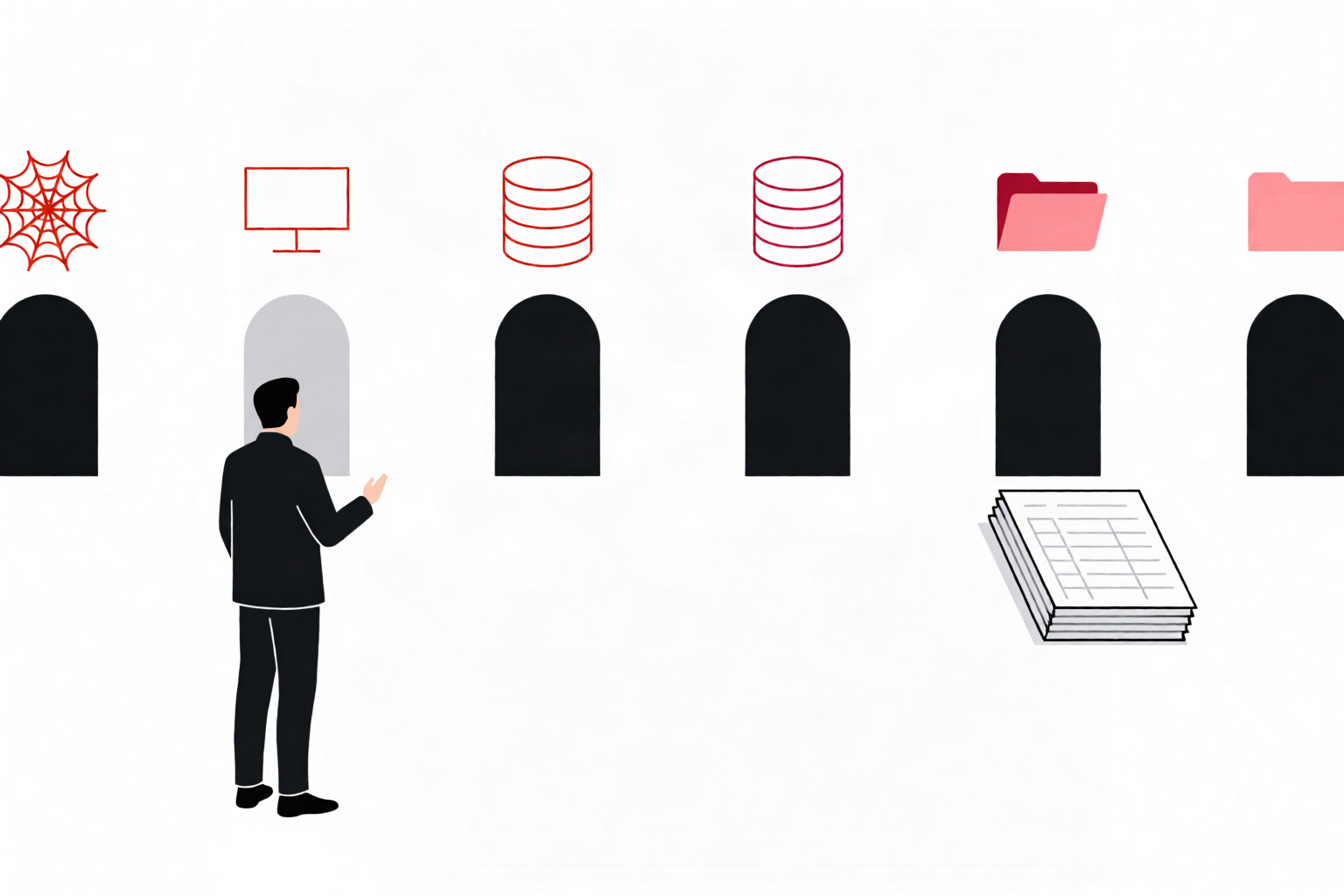
You map the attack surface by listing every path an agent can use to reach the legacy system: direct APIs, screen-scraping bridges, database connectors, file drops, and queues. Each path is a trust boundary where the agent can read, write, or trigger side effects. Inventory your tool definitions and their permissions before deciding which endpoints the agent should touch. For a systematic approach, see our guide on mapping your AI agent attack surface. The goal is to know exactly which legacy endpoints an agent can touch before you decide which ones it should touch.
How do you authenticate an AI agent in a hybrid environment?

You authenticate the agent, not the user. Legacy systems often accept static API keys or basic auth, which fit poorly with agents that rotate credentials or run in ephemeral containers. Prefer short-lived tokens, mTLS where supported, or a broker that vaults credentials and issues just-in-time access. Deck.co describes giving agents safe access to legacy systems through a similar broker model. Rotate keys regularly, never embed them in agent prompts, and log every authentication event separately from user login logs.
| Method | How it works | Best for | Limitation |
|---|---|---|---|
| Static API key | Long-lived key stored in agent config | Simple, read-only legacy endpoints | Easy to leak, hard to rotate |
| mTLS | Agent presents a certificate to the legacy service | Legacy systems with TLS support | Certificate management overhead |
| OAuth 2.0 proxy | Proxy exchanges agent token for legacy credential | Hybrid cloud/on-prem environments | Requires a proxy layer |
| Vaulted credentials | Secrets manager issues time-bound credentials | Ephemeral agent workloads | Adds infrastructure dependency |
How do you authorize an AI agent to read legacy data?
Authorize the agent with least privilege: grant the minimum scope needed for its task, and nothing more. Split read and write permissions wherever the legacy system allows, and require human approval for destructive actions. Log every decision with the agent ID, endpoint, and timestamp so you can reconstruct what happened after an incident. This is where policy enforcement meets identity; for granular control, see our guide on implementing real-time policy enforcement for AI agents.
How do you protect data integrity when an AI agent writes to a legacy system?
AI agents hallucinate, and a hallucinated field value can corrupt a legacy database with no referential integrity. Validate all agent output against a strict schema before it reaches the legacy system: field types, length limits, allowed values, and forbidden characters. Strip or escape anything that looks like injection payloads, and treat agent-generated input as untrusted by default. For help catching bad content before it causes damage, see our guide on mitigating AI agent hallucinations. Data integrity is not just about blocking attacks; it is about preventing the agent from accidentally writing garbage into a system that cannot easily undo it.
How do you monitor AI agent to legacy data flows in real time?
Monitor at the tool-call layer, not the network edge. A pre-tool-call hook inspects the agent's intended action, target endpoint, and payload, then returns an allow, ask, or block verdict with a calibrated confidence score. This catches anomalous flows, such as an agent querying a legacy table it has never touched before or streaming large volumes out of the system. Our runtime guides cover real-time AI agent threat detection and preventing AI agent data exfiltration. Alerts should go to a human who can revoke agent credentials quickly, because legacy systems rarely have fast kill-switches.
What do you do when an AI agent legacy integration fails?
Fail closed. If the guard, auth proxy, or legacy system becomes unavailable, the agent should stop rather than fall back to an unauthenticated path. Use a circuit breaker, keep a read-only replica for safe responses, and rotate credentials after any incident. A guard that overpromises is worse than none, so test failure modes before you deploy to production.
Can you secure an AI agent talking to a COBOL mainframe? (Hypothetical)
You can secure an agent talking to a COBOL mainframe without giving the agent direct access. Place a broker between the agent and the screen-scraping bridge: the agent calls a modern REST endpoint, the broker translates it into a mainframe transaction, and a human approves writes. The mainframe never sees the agent's raw prompt, and the agent never sees mainframe credentials. This isolate-translate-approve pattern works for any legacy system without a native API.
If you are shipping agents that touch legacy systems, start with a pre-tool-call hook and a policy that assumes every call is untrusted until proven otherwise. You can try the MCP Guard runtime guard as a complement to your existing allow-lists and approval workflows.
FAQ
What is the biggest risk when connecting an AI agent to a legacy system?
The biggest risk is that the legacy system trusts the agent implicitly because it was built for human users, so a single hallucinated or malicious tool call can corrupt data or leak records without triggering legacy alerts.
Do I need to replace my legacy system before adding an AI agent?
No. You can secure the integration with a broker, short-lived credentials, and policy enforcement at the tool-call layer without modernizing the legacy system first.
How is authorization different for AI agents versus human users?
Agents operate autonomously and at machine speed, so authorization must be scoped per tool call, time-bound, and paired with human approval for destructive actions rather than relying on a single login session.
Can a runtime guard block every bad agent request?
No. A guard reduces risk but cannot catch everything, especially novel attack patterns or logic errors inside the legacy system itself. It works best alongside allow-lists, least privilege, and human review.
Where does the trust boundary belong?
The trust boundary belongs between the AI agent and the legacy system, enforced before the request reaches the legacy API and validated again on the way back.
Sources
Check tool calls before they run
One API call returns allow, ask or block for a proposed agent action. 1,000 free requests, then $0.20 per 1,000 checks.
Topics
- AI agent legacy system security
- securing AI agents with old APIs
- AI agent integration risks
- trust boundaries legacy systems AI
- API security for AI agents
- data integrity AI legacy systems
- authentication for AI agents in hybrid environments
- authorization for AI agents accessing legacy data